Story highlights
Chinese official warns island dispute will hurt economic relations with Japan
Beijing is Tokyo's largest trading partner, accounting for nearly 20% of Japanese exports
Sales of Japanese automobiles are down, despite booming car purchases in China
Control of the disputed islands would allow for commercial rights to the surrounding waters
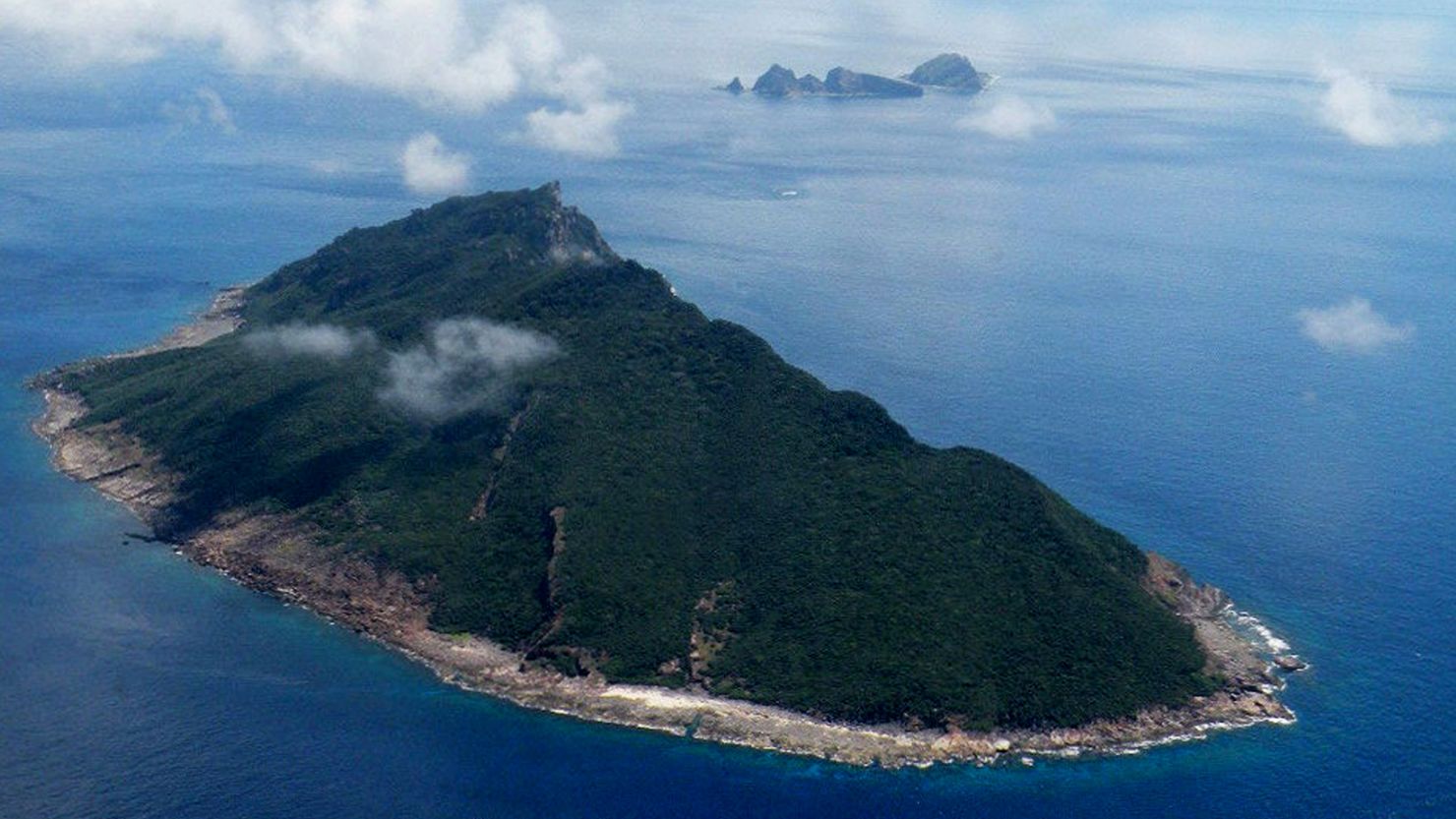
A Chinese official warned Thursday that Tokyo’s move to “buy” a disputed island chain in the East China Sea would hurt trade between Asia’s two largest economies.
The battle over ownership of the island chain, called Diaoyu by China and Senkaku by Japan, will “inevitably” have a negative impact on Sino-Japan economic ties, Vice Minister of Commerce Jiang Zengwei said Thursday, state-run Xinhua reported.
The islands sit among popular fishing waters and are also believed to be rich in oil resources. Ownership of the chain would allow exclusive commercial rights to the seas surrounding the islands.
There are signs the dispute is already hurting Japanese companies. Despite booming auto sales in China, sales of Japanese car brands are down 2% in China compared to a year ago, according to the China Association of Automobile Manufacturers. Meanwhile, sales of car brands from other foreign countries, including Germany, the U.S., South Korea and France, are up 25%, 19%, 12% and 4% respectively.
Luo Lei, deputy secretary-general of China Automobile Dealers Association, said earlier this week that Toyota purchases have fallen 15% while Mazda sales are down 6% year over year.
Tensions between China and Japan – the world’s second and third largest economies, respectively – escalated on Friday as Chinese surveillance vessels entered the disputed area to begin patrols and “law enforcement,” according to Chinese state-run media.
China dispatched the ships after the Japanese government bought several of the islands from a private Japanese owner earlier this week.
The Chinese vessels entered Japan’s territorial waters despite warnings from the Japanese Coast Guard, said Shinichi Gega, a spokesman for Japan’s 11th Regional Coast Guard Headquarters.
Meanwhile Japanese Prime Minister Yoshihiko Noda said Tokyo would “take all possible measures to ensure security” of the islands, located between Okinawa and Taiwan.
China is Japan’s largest trading partner. Nearly 20% of Japanese exports last year were sold to mainland China, compared to 15.3% exported to the U.S., according to figures from the Japan External Trade Organization.
At a meeting Tuesday, the Japanese government approved the purchase for 2.05 billion yen ($26.2 million) the group of small islands from the Kurihara family, a private Japanese owner, according to Chief Cabinet Secretary Osamu Fujimura.
China says its claim to the islands goes back hundreds of years. However Japan says it saw no trace of Chinese control of the islands in an 1885 survey, so formally recognized them as Japanese sovereign territory in 1895.
Japan sold the islands in 1932 to descendants of the original settlers. The islands were administered by the U.S. occupation force after World War II. But in 1972, Washington returned them to Japan as part of its withdrawal from Okinawa.
CNN’s CY Xu contributed to this report